Symposium Brings Together Voices to Rethink the Future of Indian Sport
May 02, 2026
VMPL
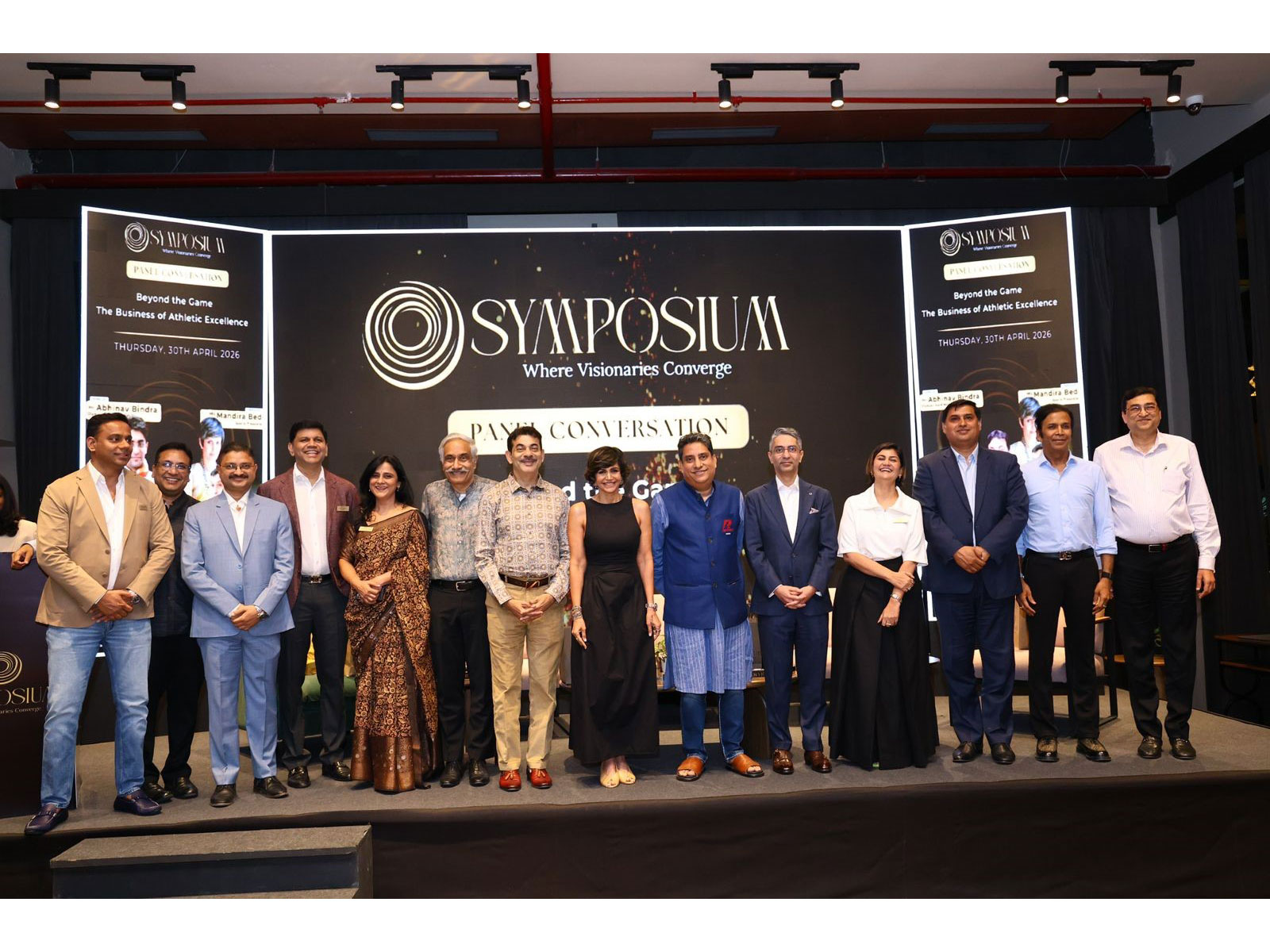
Hyderabad (Telangana) [India], May 2: Hyderabad saw an interesting coming together of voices from across sport, policy, media, and business as Symposium hosted its second flagship session, Beyond the Game: The Business of Athletic Excellence, at Quorum, Madhapur.
The idea behind Symposium, founded by Girish Mallpani, CMD, MPM Group and co-founded by Jayesh Ranjan IAS, Spl Chief Secretary for Metropolitan & Urban Development Dept. & Youth Advancement, Tourism, Culture & Sports Development, Government of Telangana, Hyderabad, is simple: create a space where people from different fields can have honest, informed conversations about issues that matter. Thursday evening's discussion stayed true to that intent.
The panel brought together Olympic gold medallist Abhinav Bindra, Target Olympic Podium Scheme CEO Col Nachhatar Singh Johal, sports historian and journalist Boria Majumdar, and actor and sports presenter Mandira Bedi. The conversation was moderated by Jayesh Ranjan.
Rather than staying at a surface level, the discussion dug into what actually goes into building a strong sporting ecosystem. This included everything from grassroots development and infrastructure to athlete welfare, funding, and the growing business side of sport.
Jayesh Ranjan spoke about how Telangana is approaching sports development, stressing that governments should focus on building systems and infrastructure, while experts handle training and athlete development. He pointed out that one of the key gaps in Indian sport has been the lack of planning for athletes beyond their competitive years, something that is now beginning to change. He also noted how the sporting landscape in India is shifting, with more participation from women and greater visibility for different sports, helped in part by media coverage and policy support.
One of the key moments of the evening was an announcement he made about the proposed Telangana Sports University. He said that its first honorary doctorate would be awarded to Abhinav Bindra, adding, in a lighter vein, that an earlier slip during the event when Bindra was addressed as "Doctor" would soon no longer be a mistake.
Ranjan also spoke about India's Olympic ambitions and the role of the Target Olympic Podium Scheme, which was launched to identify and support top athletes. Drawing a comparison with cricket, he referred to how the IPL has changed not just the game but the entire ecosystem around it.
Each IPL team, he noted, now operates like a full-scale professional setup with specialists across functions. The larger question, he said, is how similar ecosystems can be built for other sports in India.
Abhinav Bindra, reflecting on his own journey, spoke about what sport teaches beyond competition. For him, the most important lesson has been self-respect. He emphasised that sport helps build discipline and resilience, qualities that stay with individuals long after their careers end. He also spoke about the need to encourage wider participation, especially among children and in rural areas. According to him, the next decade could be a defining one for sport in India, given the growing investment in infrastructure and increasing exposure at the school level.
Col Nachhatar Singh Johal took a more direct approach while discussing India's performance in global sport. He spoke about the importance of having structured systems for identifying and nurturing talent, along with long-term planning. In one of the blunter remarks of the evening, he said that if sports are not doing well in India, sports federations have to take a large share of the responsibility. The comment reflected a broader concern around governance and accountability within the system.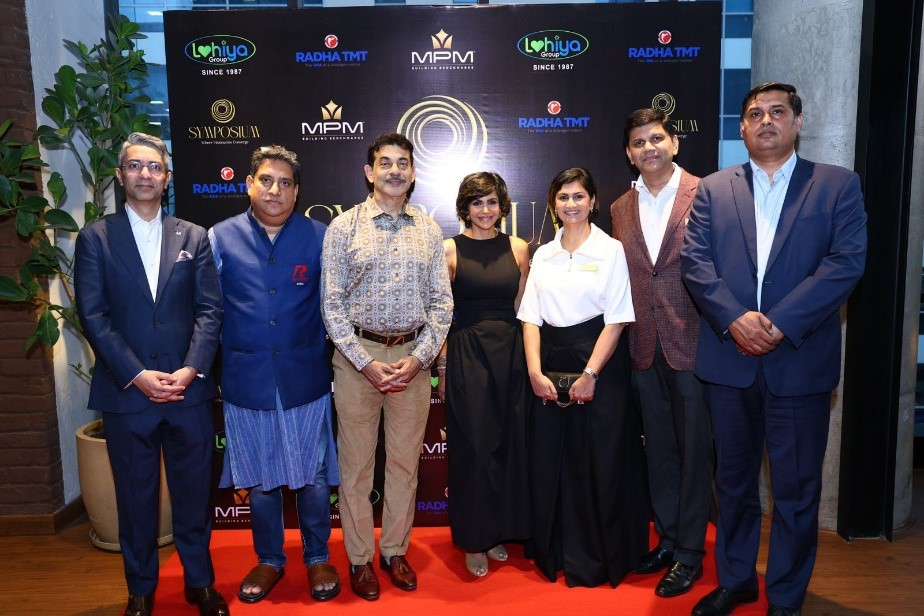
Boria Majumdar focused on the role of storytelling and visibility. He argued that the success of men's cricket is not just about how the game is played, but how it has been presented and marketed over the years. He pointed out that audiences today are often drawn to the larger spectacle around sport. Using women's cricket as an example, he said that if viewership and engagement were more balanced, the women's game would already be much bigger commercially.
He also acknowledged Mandira Bedi's role in helping bring attention to women's cricket at a time when it received far less coverage.
Mandira Bedi spoke about how much things have changed over the years. She recalled watching matches played in front of nearly empty stands and compared that to today's growing audiences and visibility for women athletes. She credited media coverage and the rise of major sporting events for helping shift perceptions and create a stronger following for women's sport.
Adding to this, Majumdar noted that India seems to be moving away from relying on a few standout champions to building a more consistent and connected sporting system.
In his remarks, Girish Mallpani spoke about the economic side of sport. He pointed to the sharp rise in IPL franchise valuations over the years as an example of how valuable the sports ecosystem has become. What was once a relatively small investment has now grown into a massive industry that supports not just players, but also coaches, broadcasters, sponsors, and many others.
The event drew a mix of bureaucrats, entrepreneurs, investors, academics, and professionals from Hyderabad's leadership circles. The turnout itself reflected the growing interest in conversations around sport, not just as competition but as a larger ecosystem.
Speaking after the session, Mallpani said the goal of Symposium is to create a space where such conversations can happen regularly and meaningfully.
Jayesh Ranjan added that India's ambitions in sport are now tied to many other areas, including policy, infrastructure, youth development, and even national identity. Conversations like these, he said, are important if the country wants to think long-term.
As an invitation-led platform, Symposium plans to continue hosting discussions across themes that connect policy, business, culture, and society. With its second session, it has taken another step towards becoming a space for more grounded, thoughtful conversations among people shaping India's future.
For more details, please visit their website: https://symposium.org.in/
(ADVERTORIAL DISCLAIMER: The above press release has been provided by VMPL. ANI will not be responsible in any way for the content of the same.)