India Moves Towards National Hypnosis Day as Hyderabad Summit Launches Indian Hypnosis Council
Nov 06, 2026
VMPL
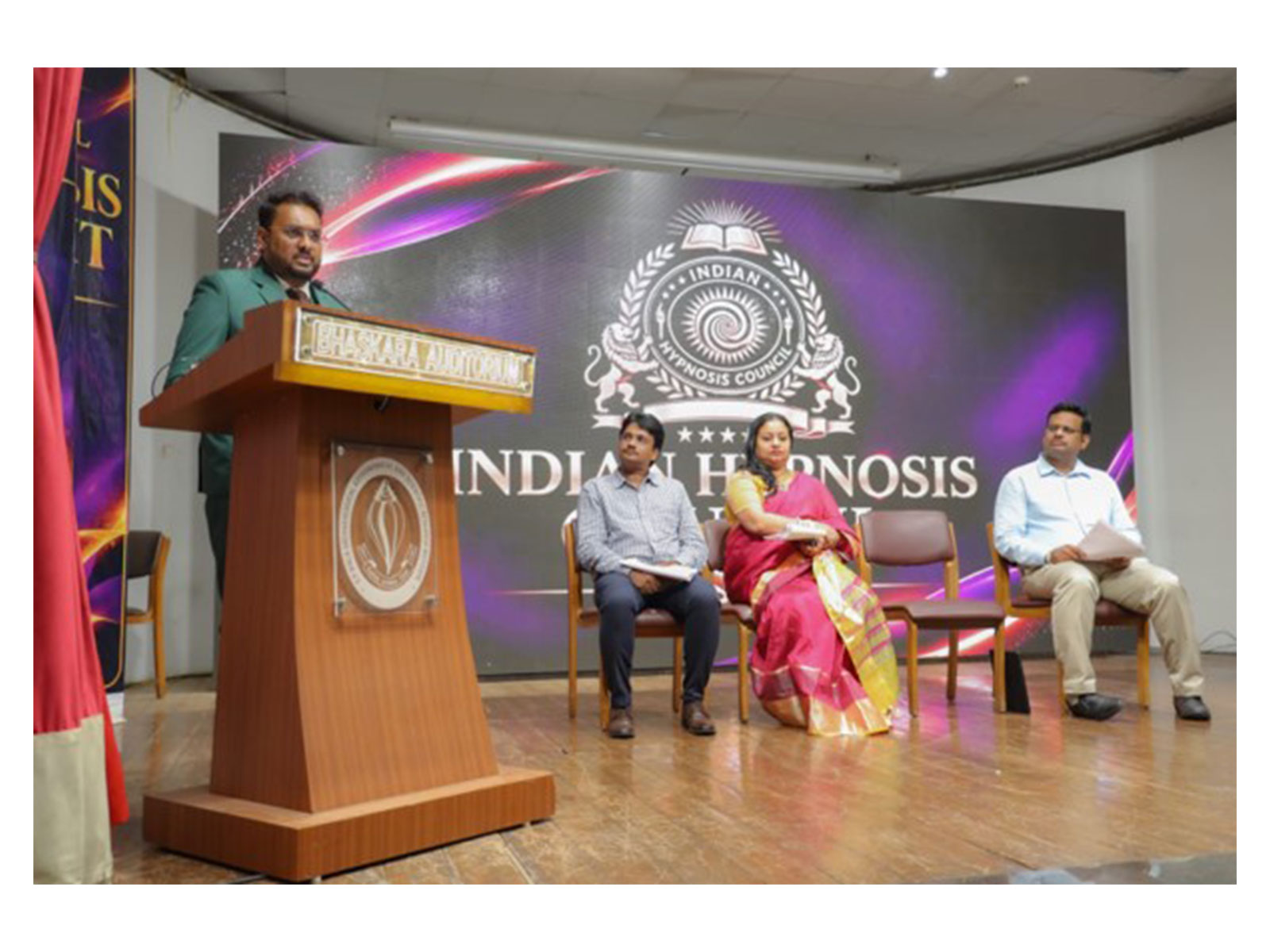
Hyderabad (Telangana) [India], November 6: The National Hypnosis Summit brought together hypnotists and hypnotherapists from across India, advancing professional recognition, collaboration and institutional development of hypnosis.
The summit marked three milestones: a proposal to observe National Hypnosis Day, presentation of the James Esdaile Awards 2026, and launch of the Indian Hypnosis Council (IHC).
A Proposal to Commemorate India’s Hypnosis Legacy
Initiative founder Sheshi Kiran Cheruku proposed observing 4 November as National Hypnosis Day to recognise India’s historical contribution to hypnosis and promote responsible practice, scientific inquiry and public awareness.
The date refers to 4 November 1846, associated with Government of Bengal proceedings concerning Dr James Esdaile. A Scottish surgeon working in nineteenth-century India, Esdaile conducted pioneering experiments in mesmeric anaesthesia and reported its use in surgical procedures. His work remains a notable chapter in the history of mesmerism and anaesthesia in India.
The proposal received agreement from participating professionals representing different states, who expressed willingness to support the observance and work towards wider recognition.
James Esdaile Awards 2026 Recognise Professional Contributions
The summit presented the James Esdaile Awards 2026 – Excellence in Hypnotherapy. Named in honour of Dr Esdaile, the awards recognise contributions to hypnosis, hypnotherapy, professional education and mental health awareness.
The initiative acknowledges practitioners’ dedication while connecting India’s historical legacy with today’s hypnosis community.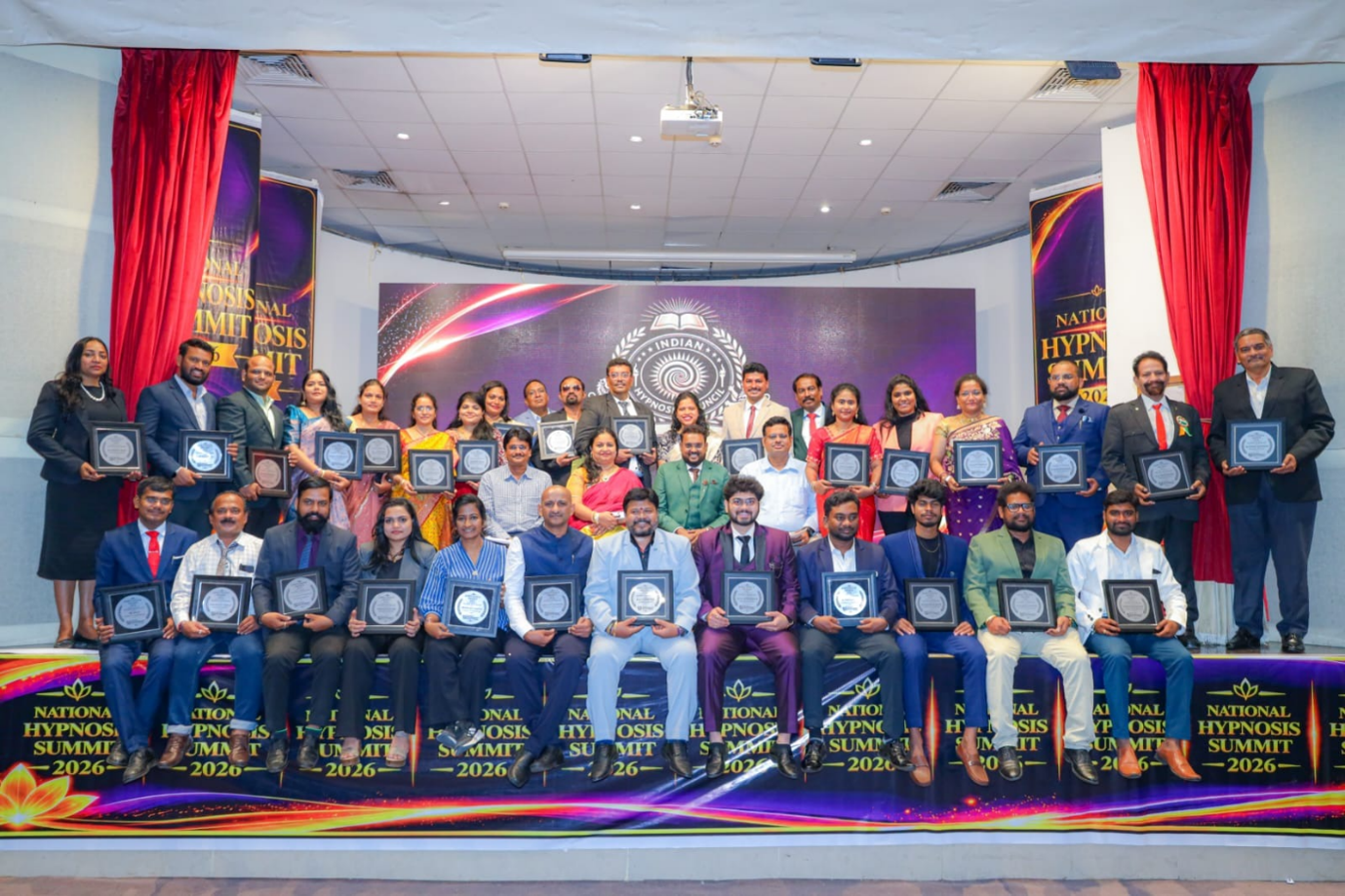
Indian Hypnosis Council Launched
Sheshi Kiran Cheruku launched the Indian Hypnosis Council, envisioned as a national platform for hypnotists, hypnotherapists, trainers, educators and professionals associated with the discipline.
IHC’s proposed focus includes professional standards and ethics; quality education and training; transparent certification and course accreditation; research and knowledge exchange; national representation; and responsible public awareness.
Its proposed structure includes national, state and district-level participation, supported by committees and advisory members, fostering coordination, accountability and professional development.
National Governing Body Receives Official Appointment Letters
During the summit, official appointment letters were presented to the IHC National Governing Body. Sheshi Kiran Cheruku was appointed National Chairperson, leading the Council’s national leadership. Abhishek Majithia received appointment as General Secretary, Dr Krishna Nakelapu as Joint Secretary, and Chanikya Chandrakanth and Kalyana Lakshmi as Executive Members. These appointments mark an important step towards establishing IHC’s leadership and organisational framework.
A Step Towards a Shared National Platform
The summit connected historical remembrance, recognition of practitioners and institution-building. National Hypnosis Day seeks an annual occasion for awareness; the awards recognise contributions today; and IHC aims to support future development.
With professionals supporting the proposed observance, practitioners honoured through the awards, and the Council launched with its national leadership appointed, the summit concluded with a shared vision: acknowledging India’s hypnosis history, strengthening collaboration and building a connected, responsible community.
The National Hypnosis Summit stands as a milestone in advancing recognition, education and organised professional development in hypnosis in India.
(ADVERTORIAL DISCLAIMER: The above press release has been provided by VMPL. ANI will not be responsible in any way for the content of the same.)