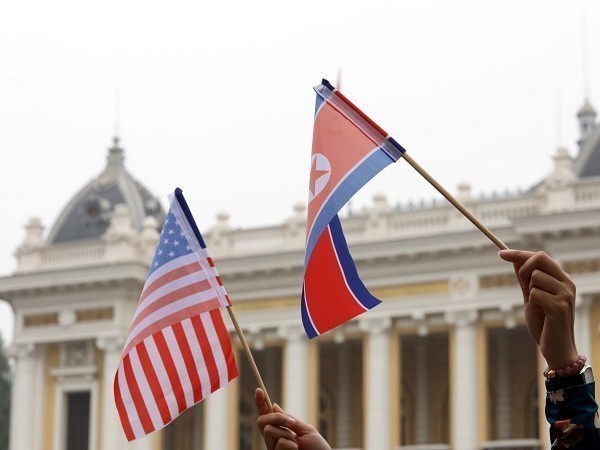
U.S. designates N. Korea as state violator of religious freedom
Nov 18, 2021
Washington (US), November 18: The United States has designated North Korea as a state violator of religious freedom, Secretary of State Antony Blinken said Wednesday.
North Korea is one of 10 countries designated as "country of particular concern."
"I am designating Burma, the People's Republic of China, Eritrea, Iran, the DPRK, Pakistan, Russia, Saudi Arabia, Tajikistan, and Turkmenistan as Countries of Particular Concern for having engaged in or tolerated "systematic, ongoing, and egregious violations of religious freedom," Blinken said in a released statement.
DPRK stands for the Democratic People's Republic of Korea, the North's official name. It marks the 20th consecutive year the North was designated a state violator of religious freedom.
Blinken vowed efforts to end what he called 'structural, systematic and deeply entrenched" challenges to religious freedom, also calling on the international community to do the same.
"The challenges to religious freedom in the world today are structural, systemic, and deeply entrenched," he said. "They demand sustained global commitment from all who are unwilling to accept hatred, intolerance, and persecution as the status quo. They require the international community's urgent attention."
Along with the 10 state violators of religious freedom, Blinken also designated nine non-state actors, including the Houthis and ISIS, as entities of particular concern, while placing Algeria, Comoros, Cuba and Nicaragua on a special watch list for countries that have engaged in or tolerated "severe violations of religious freedom."
Source: Yonhap