Turkey strikes targets in northern Syria
Oct 28, 2024
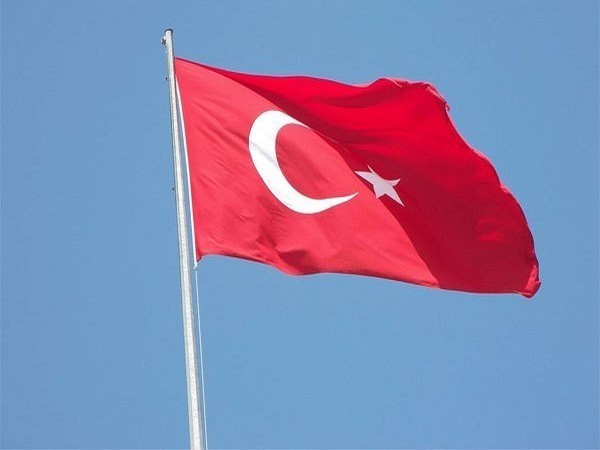
Ankara [Turkey], October 28: The Turkish military has once again targeted sites in northern Syria several days after an attack by the banned Kurdistan Workers' Party (PKK) in Ankara.
It reportedly bombed positions of the Kurdish militia the People's Defence Forces (YPG), "eliminating 15 terrorists," the Turkish Defence Ministry posted on the platform X on Sunday. Turkey views the YPG in northern Syria as an offshoot of the PKK.
The British-based Syrian Observatory for Human Rights reported on Sunday that since Wednesday, at least 17 civilians have been killed and 60 others injured in Turkish attacks in northern Syria. All information could not be independently verified.
On Wednesday, five people were killed in an attack on an arms company in Ankara. The PKK claimed responsibility for the attack. The Turkish authorities identified the attackers, a man and a woman, as PKK members.
The PKK, considered a terrorist organization in Turkey, Europe and the United States, has been fighting the Turkish state since the 1980s. According to the International Crisis Group, the conflict has shifted from Turkey to northern Iraq and northern Syria since 2019, after the Turkish military continued to push back PKK fighters.
In northern Syria, Turkey occupies border areas as a result of several military operations and cooperates with rebel groups. Tens of thousands of people have already died in the conflict. A peace process failed in 2015. Speculation about a new rapprochement between the Turkish government and PKK emerged shortly before the attack in Ankara.
Source: Qatar Tribune