No Hormuz breakthrough as Trump halts attack on Iran
Aug 03, 2026
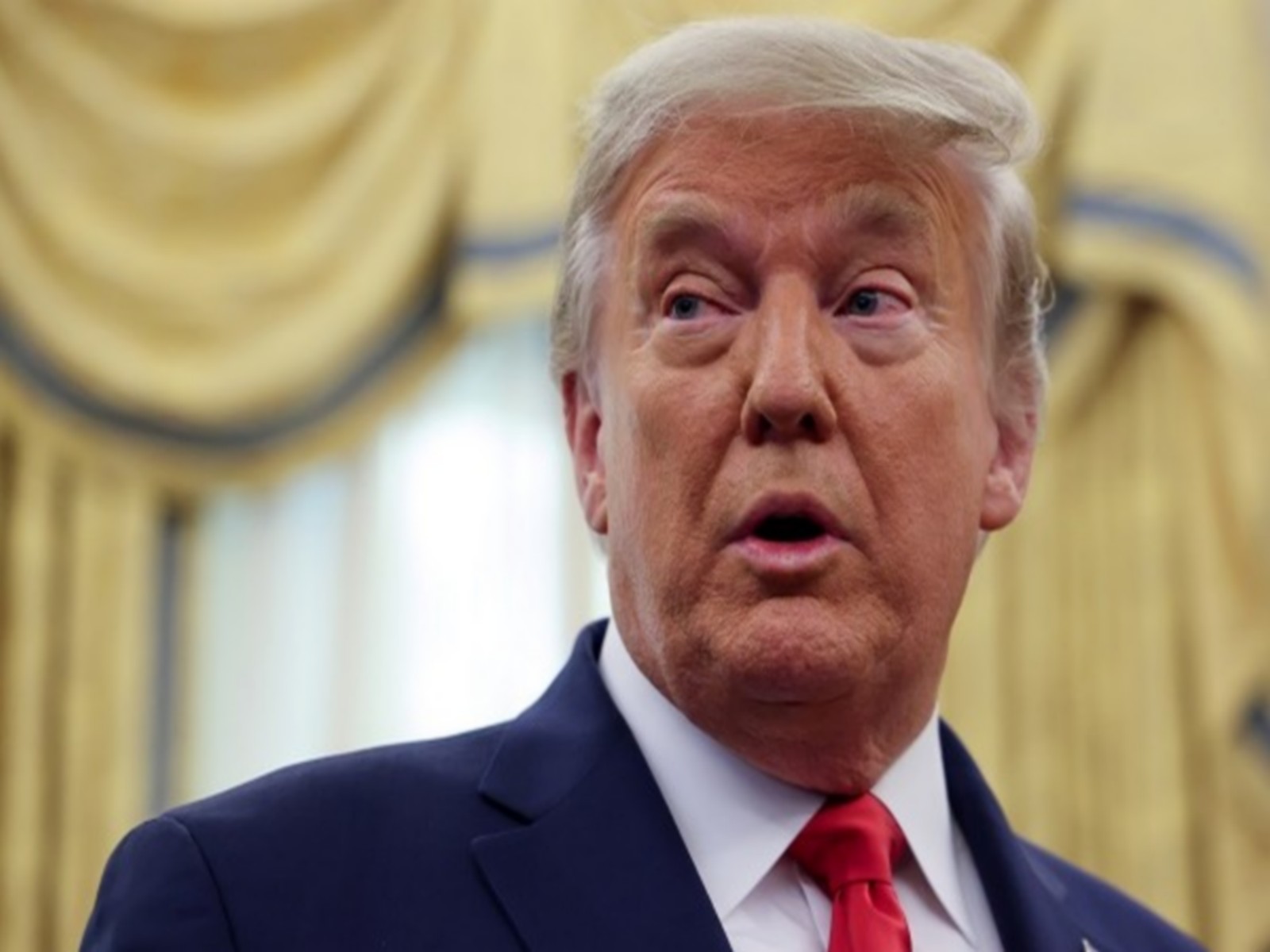
Tehran [Iran] / Washington [US], August 3: United States President Donald Trump has once again held off on launching a major attack against Iran, but no resolution appears in sight on how to manage traffic through the Strait of Hormuz.
The Fars news outlet affiliated with Iran's Islamic Revolutionary Guard Corps (IRGC) said numerous ships were stuck in the northern corridor of the strategically vital waterway in Iranian waters on Sunday at noon - and they could only pass if Iran's armed forces allowed.
Iranian authorities have said the same will remain true for a southern sea corridor passing through Oman's territorial waters.
Announcing his decision not to go ahead with the threatened attack, Trump said it followed a request from Iran and other regional countries after the "perimeters of a deal" had been agreed upon.
Writing on social media early on Sunday, he said the potential agreement would "include the Immediate, Complete, and Total OPENING OF THE HORMUZ STRAIT, and an end to Iran's nuclear threat".
Iran's acting Defence Minister, Majid Ebn-e-Reza, said Trump's pullback comment was made "within the context of psychological operations and a war of calculations".
The brigadier general added in a social media post that Iran's armed forces consider each threat as real so "we will neither be taken by surprise nor will we be passive".
Iran's wartime military command warned on Saturday that US and other interests across the region could be attacked in tit-for-tat strikes if Washington launches threatened attacks against civilian infrastructure, including power plants and petrochemical manufacturers.
In Tehran, some Iranians pointed out that Trump had made seemingly more immediate threats in the past, including right before announcing a ceasefire in April.
"I didn't pay too much attention to the latest cycle of threats," Rana, a resident of western Tehran, told Al Jazeera on Sunday.
"I'm stressed that they will hit urban centres again soon, but we have no choice on what happens next," she added.
Other mediators such Pakistan, Qatar, Oman and Turkiye have also been exchanging messages and trying to nudge Iran and the US towards an agreement after their memorandum of understanding (MoU) reached in June fell apart in less than a month.
That understanding partially reopened the Strait of Hormuz in exchange for lifting a US blockade on Iran's southern ports and offering a two-month relief from oil sanctions. All the provisions have since been rolled back, with military strikes resumed and fears of a wider conflagration growing.
The US said the MoU entitled ships to pass through the southern corridor in the strait, but Iran maintained the agreement left the country's armed forces in charge of making arrangements for passage. The IRGC has continued to strike or turn back ships attempting to use the route near the Omani coast.
The conflict has also spread to the Red Sea and Bab al-Mandeb, where the Iran-aligned Houthis in Yemen have attacked Saudi energy facilities and attempted to strike or turn back Saudi-linked ships. But the region was relatively calmer on Sunday, as Iran and the US refrained from launching new major attacks.
Source: Qatar Tribune