How THE MEN THING Built a 1.2M Customer D2C Brand in Men's Jewellery
Jul 27, 2026
VMPL
New Delhi [India], July 27: In an era dominated by venture capital-backed startups and hyper-funded direct-to-consumer (D2C) ventures, scaling a consumer brand to over 1.2 million customers without taking a single dollar of external funding is a rare feat. Yet, that is precisely what founder Rishi Modi achieved with THE MEN THING.
What began as an observation of a gap in modern men's lifestyle accessories has evolved into one of the country's most formidable D2C stories, reshaping how young men approach everyday fashion and personal expression.
The Genesis: Identifying an Underserved Market
For decades, the Indian men's accessory market was split between two extremes: expensive precious metal items reserved for weddings and special occasions, or cheap imitation pieces that tarnished after a few wears. Everyday premium options--durable, stylish, and reasonably priced--were virtually non-existent.
Recognizing this void, Rishi Modi set out to build a dedicated platform designed exclusively for the modern male consumer. The goal was simple: create long-lasting, hypoallergenic, and fashion-forward accessories that could handle daily wear without losing their luster or breaking the bank.
Through disciplined market research and supply chain optimization, Modi laid the groundwork for a lean, customer-first enterprise that prioritized long-term product satisfaction over aggressive, cash-burning customer acquisition tactics.
Disrupting the Status Quo: The ₹299 Price Point & 5-Year Warranty
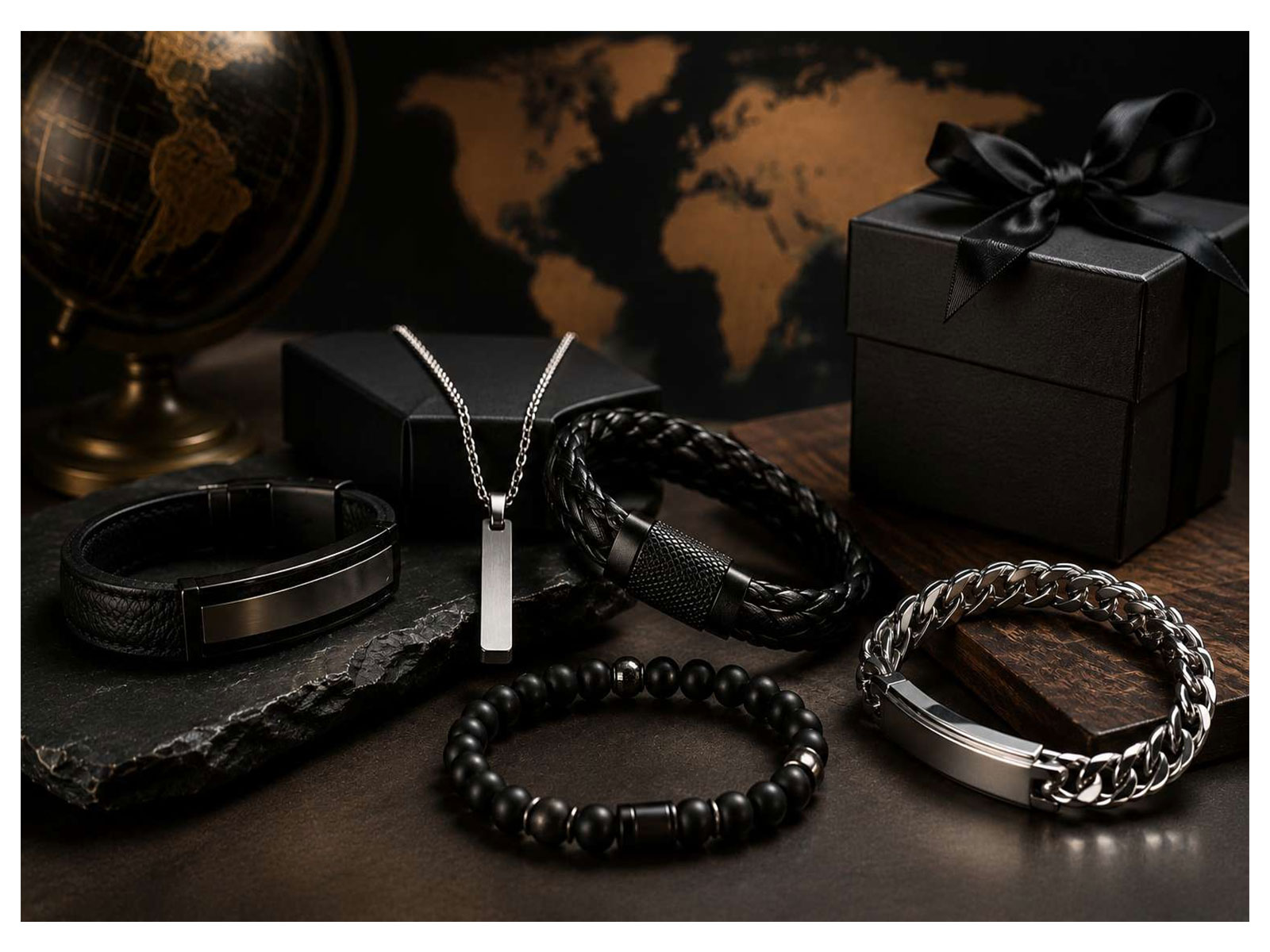
At the core of the brand's meteoric growth is an aggressive value proposition that shattered market expectations. By introducing high-grade stainless steel, anti-tarnish chains, bracelets, and rings starting at just ₹299, the brand made stylish accessories accessible to college students, young professionals, and fashion enthusiasts across Tier-1, Tier-2, and Tier-3 cities alike.
However, low pricing alone rarely builds lasting brand loyalty. To address the skepticism surrounding affordable jewelry online, Modi introduced an unprecedented 5-year warranty on select products.
This multi-year quality guarantee serves as a promise:
- Anti-Tarnish Engineering: Advanced physical vapor deposition (PVD) coating ensures pieces withstand sweat, water, and daily friction.
- Skin-Safe Materials: Hypoallergenic 316L stainless steel prevents skin irritation or discoloration.
- High Durability: Designed for active lifestyles, ensuring links, clasps, and bands hold up over time.
By standing firmly behind product longevity, the brand turned first-time buyers into repeat customers, driving organic word-of-mouth growth across social platforms.
Solving the Trust Deficit with a 100% COD Model
Online shopping in India--especially for fashion accessories--often faces a trust barrier. Recognizing that a significant portion of Indian shoppers prefers inspecting products before committing funds, Modi made a bold operational decision early on: offering 100% Cash on Delivery (COD) options nationwide.
While many D2C brands avoid COD due to high Return to Origin (RTO) rates and tied-up working capital, Modi's team optimized logistics partnerships, automated order verification systems, and introduced proactive customer support workflows. This approach mitigated delivery losses while expanding their reach to millions of buyers without credit cards or digital payment setups.
As a fast-growing men's jewellery brand India, this seamless checkout experience allowed the platform to convert casual website visitors into satisfied buyers effortlessly.
The Bootstrapped Edge: Cash-Flow Positivity over VC Hype
Unlike competitors relying on continuous equity dilution to fund customer acquisition, Modi built the enterprise with unit economics in mind from Day 1. Every rupee generated from sales was reinvested directly into product R&D, inventory management, and customer service infrastructure.
By maintaining profitability at each stage of growth, the company avoided the pressures of artificial valuation targets and retained complete strategic freedom. Today, with over 1.2 million orders fulfilled and a thriving community of repeat buyers, the brand proves that sustainable unit economics and rapid D2C scale can happily coexist.
As men's grooming and fashion continue their upward trajectory in India, Modi's venture remains at the forefront, setting a benchmark for bootstrapped innovation in the digital commerce space.
(ADVERTORIAL DISCLAIMER: The above press release has been provided by VMPL. ANI will not be responsible in any way for the content of the same.)