Higher Education Must Evolve: Bridging Academic Rigor and Industry Needs
Oct 28, 2026
VMPL
New Delhi [India], October 28: Higher education is undergoing a seismic shift. The traditional model—where students memorized textbooks, took exams, and learned their actual jobs post-graduation—is no longer viable. Today’s fast-evolving industry demands career-ready graduates who possess both intellectual depth and practical, day-one problem-solving skills.
This transformation aligns seamlessly with the National Education Policy (NEP). By emphasizing multidisciplinary learning, conceptual clarity, flexible pathways, and experiential skill development over rote learning, NEP empowers institutions to bridge the gap between academia and real-world employment.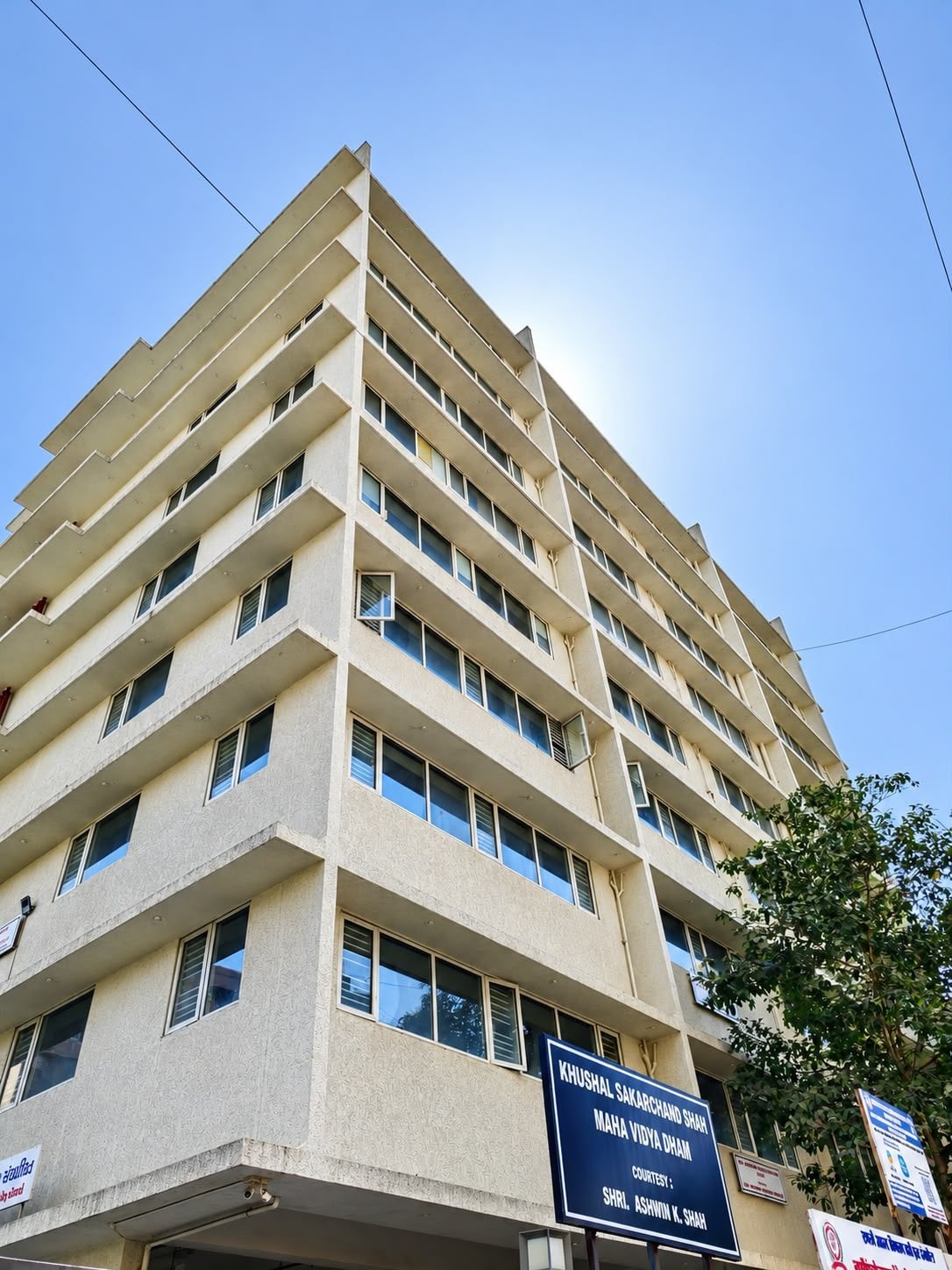
At RAV’s Laxmichand Golwala College of Commerce and Economics (Autonomous), Ghatkopar East, rooted in the century-old legacy of the Ramji Assar Vidyalaya (RAV) Wadi Trust and granted autonomous status in 2025, we have restructured our academic framework to fulfill this modern mandate:
* Multidisciplinary Ecosystem: Beyond foundational B.Com., M.Com., and B.A. (Psychology) degrees, our autonomous offerings include industry-aligned tracks in Accounting & Finance (BAF), Banking & Insurance (BBI), Financial Markets (BFM), Management Studies (BMS), Investment Management (BIM), B.A.M.M.C., B.Sc. IT, Computer Science, and Data Science.
* Career-Integrated Learning: In collaboration with Future Varsity, we offer practical, market-embedded degree programs, including Business Administration, Entrepreneurship (active venture-building), Interior Design (live projects), Nutrition (clinical practice), Fashion Design (building brands), and Event Management (executing real events).
True academic rigor does not mean isolating students in lecture halls; it means applying theoretical principles under real-world market conditions. By fusing NEP’s vision with industry-ready training, we are elevating what higher education can achieve.
As the market landscape evolves and new industries, roles and avenues continue to emerge, the expectations placed on graduates are changing just as quickly. Our programs have been designed with this reality in mind. Alongside traditional degrees, these new-age programs give students the opportunity to follow their passion in fields such as design, entrepreneurship, nutrition and event management, with the right guidance and direction at every step. Students no longer have to choose between pursuing what they love and building a secure career. Each program leads to a recognised degree, giving graduates a strong academic foundation and the credentials they need to enter the market with confidence. In this way, we help young people turn their interests into well-founded professions, and prepare them for a future that rewards both skill and purpose.
Each program is designed around a simple belief: the strongest learning happens when theory meets practice. Students move beyond the classroom early, working on real projects, engaging with industry professionals and building portfolios that reflect genuine experience rather than academic exercises alone. By the time they graduate, they carry not only a degree but also the confidence, networks and practical judgment that employers and clients look for. The result is a generation of graduates who are not merely job-ready, but future-ready.
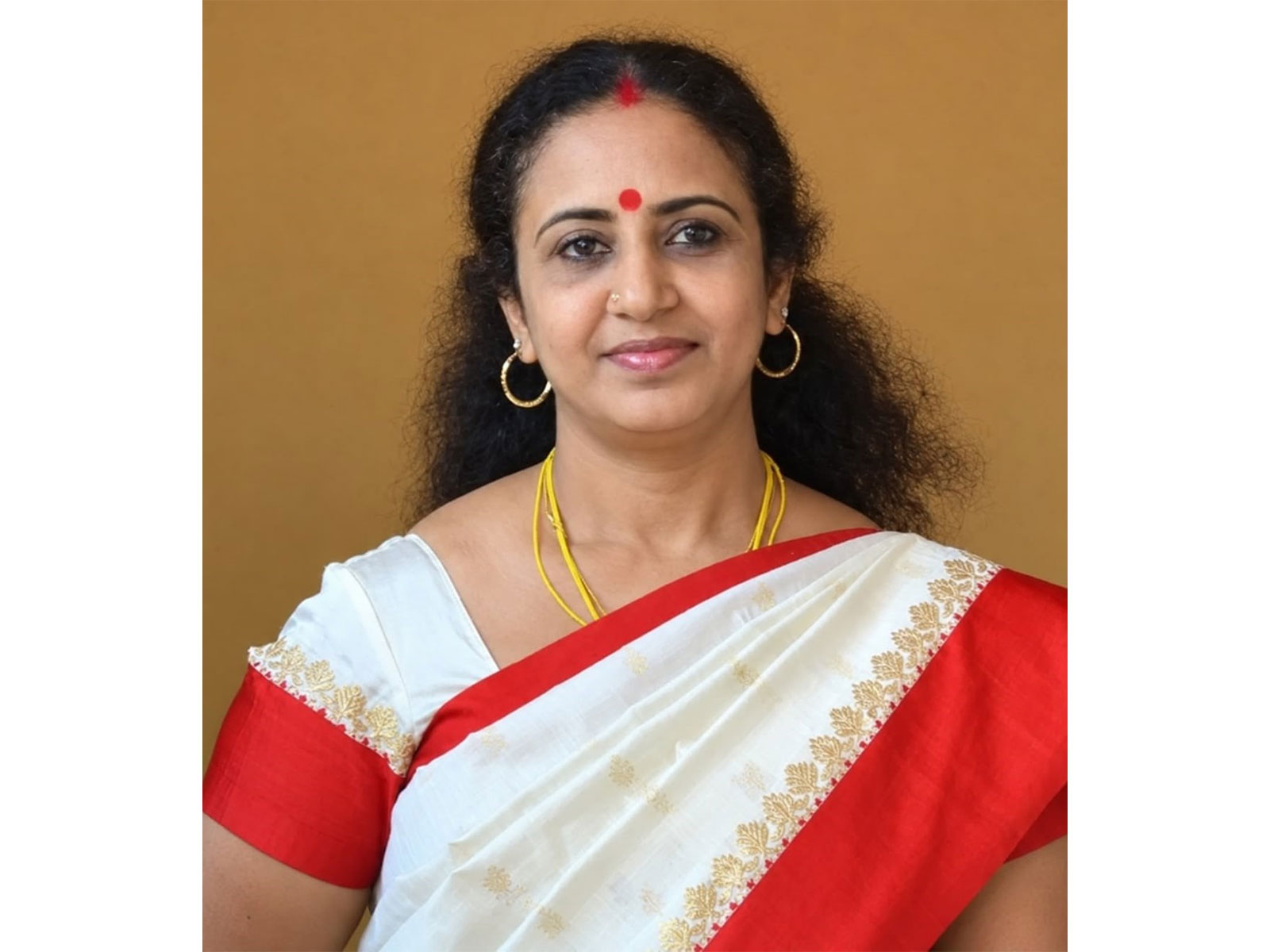
By Dr. Srivaramangai Ramanujam
Principal, Laxmichand Golwala College of Commerce & Economics (Autonomous), Ghatkopar
(ADVERTORIAL DISCLAIMER: The above press release has been provided by VMPL. ANI will not be responsible in any way for the content of the same.)