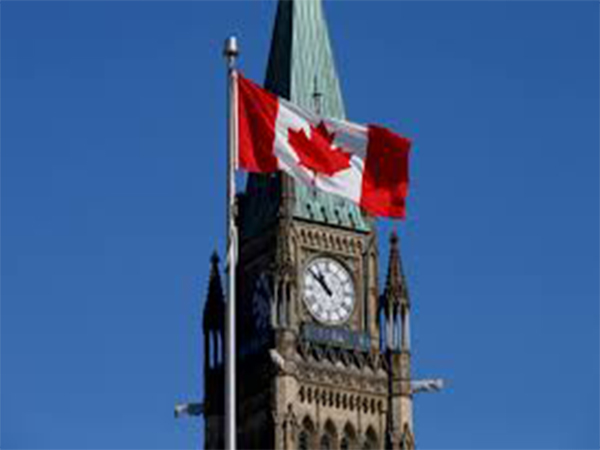
Early Voting in Canada
Apr 29, 2025
Ottawa [Canada], April 29: On April 28, millions of Canadian voters went to the polls in the country's early elections. This year's election in Canada takes place in the context that the country is facing a tough tariff policy from the administration of US President Donald Trump.
Analysts say Canadian voters seem to be inclined to support any government that can respond to U.S. tariffs.
According to Reuters, the two best candidates for Canada's next prime minister are incumbent Prime Minister and Liberal candidate Mark Carney and opposition Conservative leader Pierre Poilievre. During the election campaign, Carney pledged to deal with U.S. trade policy. Poilievre, meanwhile, is trying to steer his campaign on domestic issues such as budget cuts and streamlining the government to win voters' support. A poll of 1,600 Canadian voters by Nanos Research (Canada) on April 27 showed that the Liberals received 43 per cent of support compared to 38.9 per cent of the Conservatives.
The official election results will be released hours after polling stations close, according to CNN. Canadian voters will vote to elect all 338 members of the House of Representatives, each representing a constituency. The party that holds the majority of seats in the House of Commons will form the next government and usually the party leader will be the prime minister. In the days leading up to the election, Canadian voters turned out to vote early at record levels. In a press release on April 22, Elections Canada said at least 7.3 million voters chose to vote early, a 25% increase from the 2021 federal election.
Source: Thanh Nien Newspaper