China taps fertiliser reserves as Hormuz crisis strains supplies
Mar 28, 2026
Beijing [China], March 28: China is urging companies to release their fertiliser reserves in time for the crucial spring planting season, as the US-Israel war on Iran strains supplies of key raw materials to the world's largest grain producer.
Beijing is also expected to keep export restrictions on some fertiliser ingredients in place beyond the spring, as it strives to ensure Chinese farmers retain uninterrupted access to vital agrichemicals at reasonable prices despite the Middle East conflict.
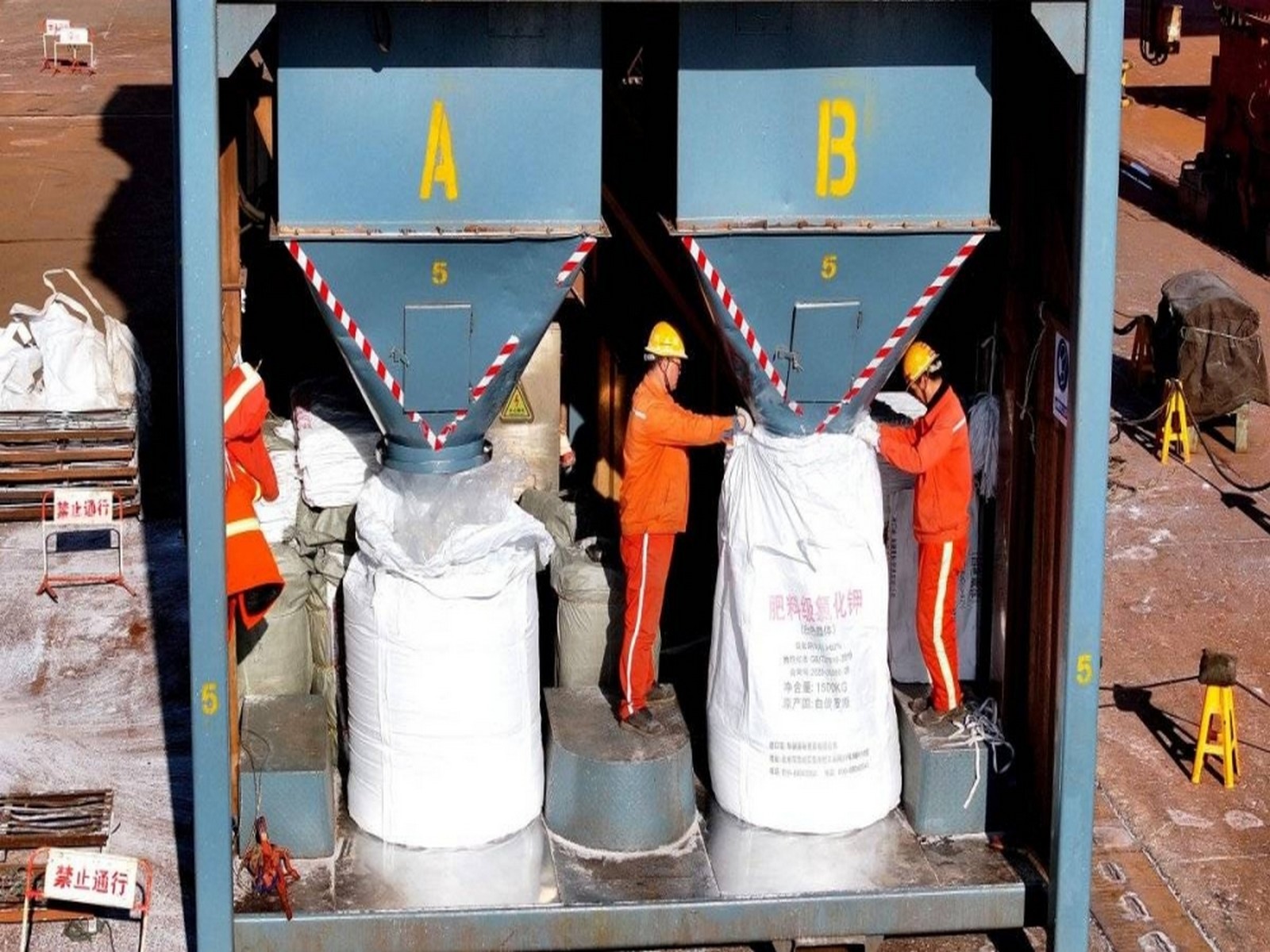
Tehran's effective closure of the Strait of Hormuz has disrupted global supplies of sulphur, urea and other chemicals in recent weeks, making it harder for Chinese fertiliser producers to access key inputs. Over the weekend, the China Agricultural Means of Production Association (CAMPA) issued a notice calling on companies to release their fertiliser reserves in a timely manner to ensure adequate supplies, stable prices and uninterrupted availability during the spring farming season.
The trade group also set a price cap for urea and warned companies not to sell above that level.
"Companies should take the lead in stabilising price expectations and firmly resist hoarding, price gouging and malicious speculation that disrupts market order," CAMPA said on Saturday.
The measures are just the latest steps China has taken to shore up its food security amid the crisis along the Strait of Hormuz, which has sent shock waves across global markets.
Up to 30 per cent of global fertiliser exports normally pass through the waterway, as well as roughly 27 per cent of oil and about 20 per cent of liquefied natural gas shipments, according to a report published by the International Food Policy Research Institute in March.
Last week, CAMPA announced that China would release state commercial fertiliser reserves for the spring planting season, covering products such as nitrogen fertiliser, phosphate fertiliser and compound fertiliser.
The release came about 15 days earlier than normal and was more heavily promoted than usual, according to Isaac Zhao Lei, senior principal analyst for China fertilisers at S&P Global Commodity Insights.
"When the situation in the Strait of Hormuz posed a potential threat to the global fertiliser chain, China responded with very timely defensive measures," he said. "It released fertiliser reserves ahead of schedule and imposed stricter controls on exports, refusing to sacrifice the domestic market in exchange for higher export margins."
China is not expected to face shortages of fertiliser or potash during the 2026 spring planting season, with the government having already deployed state fertiliser reserves in the third quarter of last year, according to Zhao.
"We expect that China will adopt a very cautious attitude towards opening up fertiliser exports this year, and even the restrictions on sulphuric acid exports may be extended beyond the spring season," he said.
Supplies of fertiliser ingredients including sulphur were tightening even before the conflict broke out.
China's sulphur imports fell 35 per cent year on year in the first two months of the year, with imports from four Persian Gulf countries down 30 per cent, according to Chinese customs data released on Friday.
The country has received zero shipments from Iran for the past four months.
The Gulf is normally one of China's top sources of sulphur. According to a December report by Guosen Securities, China relies on imports for 47 per cent of its sulphur supply, and more than half of those imports come from six Gulf nations.
Sulphur prices hit a record high in China last year - rising 185 per cent over the course of the year - as supply shortages linked to geopolitical tensions intensified, according to data released by China's Ministry of Commerce in January.
Source: Qatar Tribune